The distributor of Alex Gibney's documentary Musk says it has been unable to buy trailer advertising across YouTube, TikTok, Meta's Facebook and Instagram services, and X ahead of the film's planned October 9 theatrical opening.
Bleecker Street confirmed the initial rejections to The Hollywood Reporter and said it was continuing appeals with YouTube, TikTok and Meta. According to the report, those three companies cited rules or classifications related to political content. Meta had rejected the distributor's appeal at the time of publication, while TikTok and YouTube were still considering theirs.
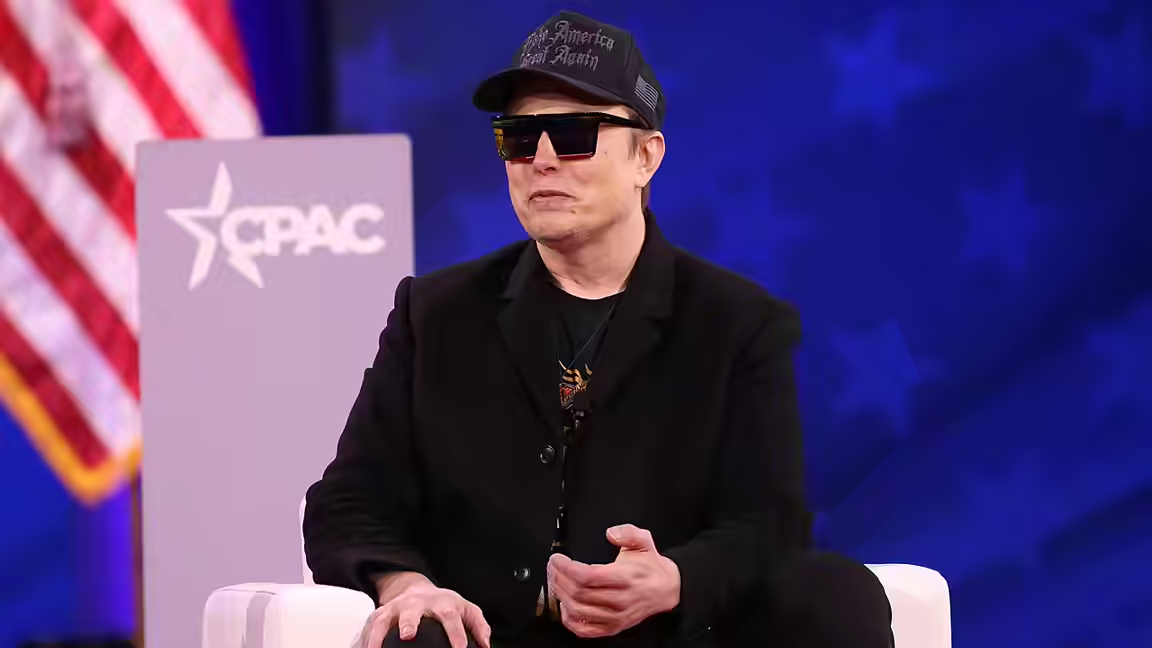
The four-hour documentary examines Elon Musk and his efforts to shape public discussion, including allegations involving content suppression on X, which Musk acquired in 2022. Its trailer reportedly contains footage of a 2024 political rally and mentions that year's election. Bleecker Street's position is that those elements appear as documentary material rather than advocacy for a candidate in a current campaign.
Meta and TikTok maintain restrictions on political advertising. YouTube permits some campaign advertising subject to disclosure and verification rules, making the precise basis of its reported decision less obvious from the information available. The platforms did not immediately provide comments to the publication. Their silence means the supplied evidence establishes the distributor's account of the decisions, but not a detailed independent explanation from each company.
X presents a different situation. The report says the platform has not engaged with Bleecker Street over Musk and has not accepted advertising for other forthcoming films from the distributor. X did not provide a response for the story. There is no supplied evidence that the platforms coordinated their actions, and no such conclusion can be drawn from their separate decisions.
Paid social promotion can be especially important to documentary releases, which typically depend on discussion and recommendations rather than the marketing budgets attached to major studio films. Blocking a trailer from paid placement does not necessarily remove organic uploads or discussion, but it limits a distributor's ability to target and scale its campaign through the platforms' advertising systems.
The dispute follows an earlier question over the film's overseas release. Universal, which is handling international distribution, considered stepping away before saying it would continue with the project, according to the report. That episode and the advertising rejections have placed the documentary's route to audiences inside the same debate over concentrated platform power that the film seeks to explore.
For now, the outcomes remain unsettled on two of the three formal appeals. Bleecker Street can still promote the film through other channels, and the platforms may revise or clarify their classifications. Until they do, the case illustrates how broad political-advertising rules can affect cultural works that include election imagery without themselves being campaign messages.