A promising form factor with daily compromises
An independent iOS developer returned Apple’s iPhone Duo after six days, offering an early account of how the foldable design changes both app development and ordinary phone use. The reviewer, who had used iPhones since 2008, exchanged the Duo for an iPhone 18 Pro Max despite describing the new device as solid, enjoyable and unusually fresh.
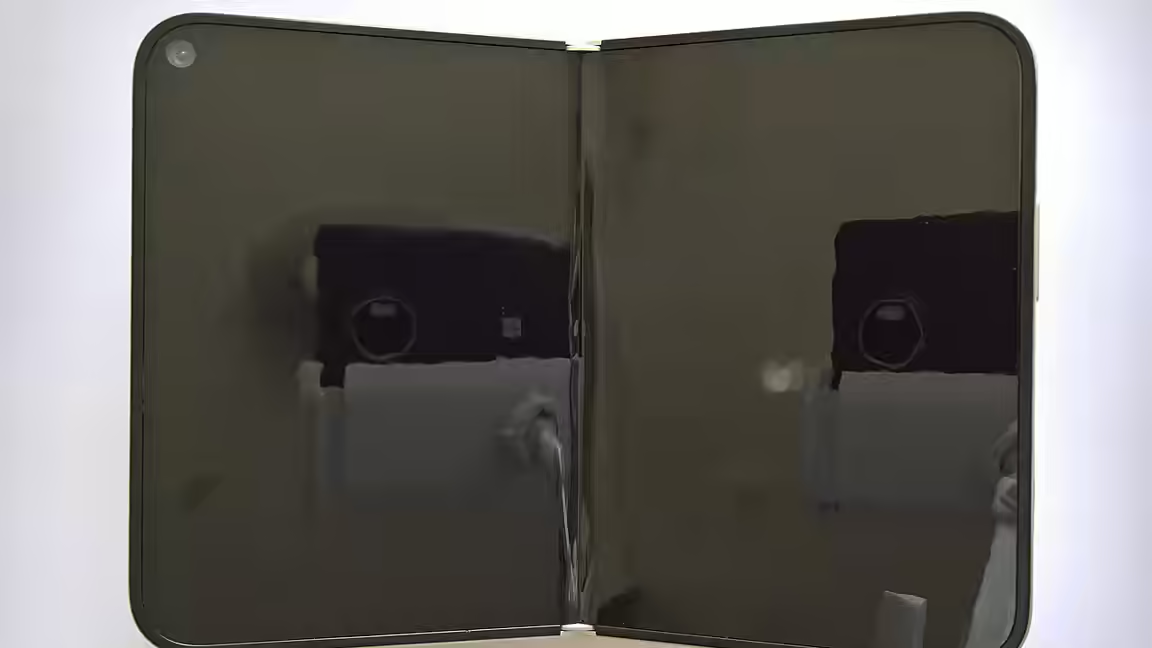
The strongest part of the experience was the large matte inner display. It provided a tablet-sized workspace while the folded device remained compact enough for a pocket. The developer also found the wide outer screen comfortable for typing and used the partly folded phone as a desk display for weather, photographs and a clock. Concerns about left-handed use did not materialize during the test.
For software makers, the device introduces several postures rather than a single fixed canvas. The developer adapted the Personal Best app so its interface responded differently when the phone was closed, open in portrait or landscape, arranged like a small laptop or partly folded. Testing those layouts on physical hardware was described as one of the device’s most rewarding qualities.
Authentication and app design caused friction
The absence of Face ID was the clearest hardware complaint. Touch ID became more familiar over the week, but locating its sensor was awkward when the phone was unfolded. The reviewer also found the small outer screen restrictive and the folded handset dense enough to cause hand fatigue during prolonged use.
Software support varied substantially. Some Apple applications reorganized themselves into grids, sidebars or detail panes that used the larger screen well. Other popular apps merely stretched a conventional phone layout or placed controls poorly. The reviewer argued that developers must account for the crease, safe areas and multiple postures to produce a genuinely adapted interface, work that many ordinary app teams may not prioritize.
The foldable format also adds a recurring choice: complete a quick task on the smaller display or open the device and commit to two-handed use. That decision made notifications and short replies feel less immediate than on a conventional iPhone. The larger interface did not always compensate, particularly for apps whose compact versions were already efficient.
One review, not a market verdict
The account is a personal assessment rather than a broad test of reliability or demand. The developer’s partner bought the same model and remained happy with it, underscoring how strongly the value depends on individual habits. The reviewer also said Face ID and software refinements could make a future version more attractive.
At a reported price of £2,000, however, the developer was unwilling to accept compromises that might become easier with time. The return illustrates the Duo’s central early challenge: its hardware can make an iPhone feel new again, but the surrounding app ecosystem must consistently justify unfolding it.