Images encoded in the recording pattern
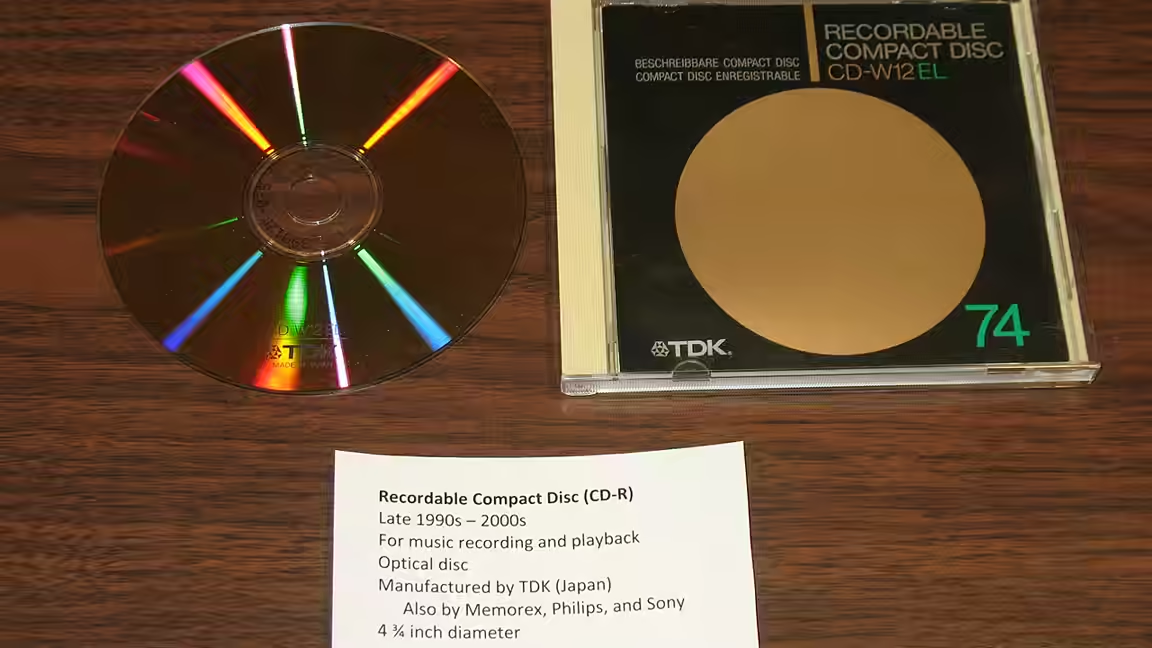
An open-source application called DiscImageStudio is offering a modern way to create visible artwork on recordable CDs, DVDs and single-layer Blu-ray discs. Instead of printing a label or using a specialised surface coating, the software converts an input picture into data arranged under the physical constraints of an optical disc. Once that image is written to compatible media, differences in the recorded area create a pattern that can be seen on the disc itself.
The project provides a Windows desktop application that combines design, preview, calibration, image export and direct burning. Experimental command-line builds are also available for Linux and macOS. Those versions generate disc-image files locally, leaving the actual write operation to separate burning software that understands the selected format. Release packages include the required .NET runtime, according to the project documentation.
DiscImageStudio accepts PNG, JPEG, BMP and GIF files, using the first frame when an animated image is supplied. Its output options reflect the different structures used by optical formats: the application can produce ISO images, raw data or WAV and CUE files. A preview stage is intended to show how the design will project onto the circular recording surface before a blank disc is used.
A central technical problem is calibration. Optical drives and media do not all translate a planned pattern into the same physical track geometry. The project describes an assisted procedure that estimates parameters needed to keep elements aligned as the spiral track moves across the disc. Its documentation illustrates the issue with radial crosshairs: a constant-track-pitch model bends lines that should appear straight, while a fitted cubic pitch model produces a closer match. The maintainers report a large numerical improvement in the precision of determinable physical data, although that project claim has not been independently benchmarked in the supplied material.
The software builds on earlier work from the CDImage project, whose method used generated CD audio tracks to form visible images. DiscImageStudio says its CD interleaving implementation was ported and modified from that code. The newer project extends the concept across additional optical formats and packages it in both graphical and command-line workflows.
DiscImageStudio is distributed under the GNU General Public License version 3 or later. The repository also documents third-party components, fonts and release procedures. That licensing allows users to inspect and modify the implementation, while distributors of binaries or altered versions must meet the corresponding source-code obligations.
The result is a niche but concrete use for optical-media engineering: transforming the low-level layout normally hidden behind files and sectors into part of the object’s visible design.