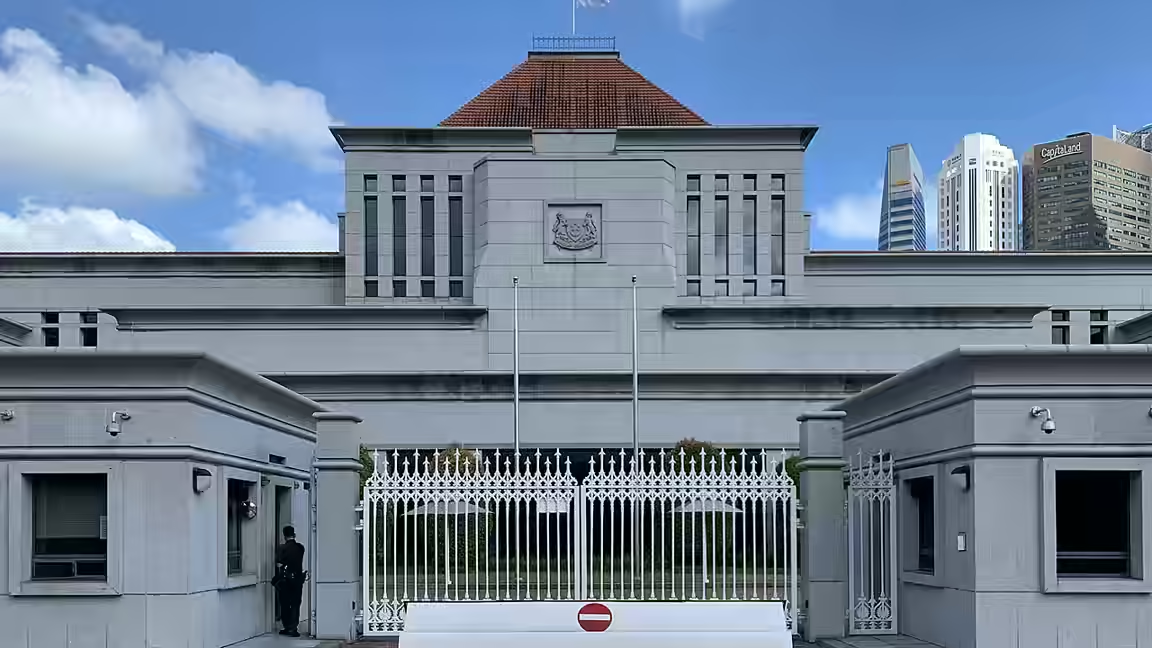
Singapore’s parliament has strengthened the country’s law against transboundary haze, adding arrest powers, higher financial penalties and potential commercial restrictions for companies linked to pollution from wildfires. The amendments passed without dissent after weeks of smoke from fires in neighboring Indonesia prompted public anger and demands for stronger action.
The changes make offences under the Transboundary Haze Pollution Act arrestable and allow courts to conduct trials without defendants who are overseas or cannot be reached. Daily fines for noncompliant companies can now approach $800,000, while the overall ceiling rises to more than $15.6 million. Parliament certified the legislation as urgent, allowing an accelerated debate and vote.
Authorities can also require companies to hire government-approved independent assessors at their own expense. Those assessors may examine fires, business operations and corporate relationships, then provide findings to officials considering enforcement. An appointment would be an investigative measure rather than a finding that a company had committed wrongdoing.
The amended law gives the government power to restrict services available to designated companies, including services from Singapore’s large financial sector. Businesses that blame third parties for fires on land under their control will have to show that they took reasonable steps to prevent and combat the burning. Sustainability and Environment Minister Grace Fu said the government needed better tools to verify information, follow complex ownership links and intervene before haze reaches Singapore.
Singapore first enacted the law in 2014, but efforts to use it have encountered jurisdictional and evidentiary obstacles. Six cases were opened in 2015. Two closed in 2017 after the companies answered legal notices, while four investigations remain open. That record has fueled questions about whether stronger penalties can be enforced against entities based outside the country.
Before the vote, Singapore had issued warnings to 10 foreign companies, directing them to deploy firefighters, halt burning and submit action plans. Another 10 Singapore-registered companies were told to appoint designated assessors to review their operations. Fires in Indonesia burned more than 1.9 million hectares from January through September, according to the Nusantara Atlas monitor cited in the report. Experts attributed the conditions partly to drought associated with a strong El Niño pattern, alongside deforestation and the drying of peatlands.
Environmental and policy specialists welcomed the additional leverage while warning that domestic law alone cannot prevent future haze. Simon Tay of the Singapore Institute of International Affairs said restrictions on financing and commercial activity could isolate companies connected to fires, but emphasized the need for cooperation with Indonesia and through the Association of Southeast Asian Nations. Greenpeace Malaysia’s interim country representative similarly called for evidence-sharing, corporate transparency and prevention of peatland fires.
The law therefore combines larger deterrents with tools meant to address the practical difficulty of investigating cross-border corporate networks. Its effectiveness will depend on access to evidence, the enforceability of orders and cooperation beyond Singapore’s jurisdiction, not solely on the maximum fines written into the statute.